

Polygres: one platform for retrieval over Postgres
A practical introduction to hosted projects, synchronized sources, AI Context Search, and graph retrieval.
THE POLYGRES JOURNAL
Engineering decisions, product ideas, and lessons from building Polygres. Written by the team at Evokoa.
FEATURED / Platform
A practical introduction to hosted projects, synchronized sources, AI Context Search, and graph retrieval.
Read the story32 articles
A practical introduction to hosted projects, synchronized sources, AI Context Search, and graph retrieval.
Decide where writes belong, how data reaches retrieval, and which project boundary fits your application.
A source-first approach to connecting Supabase Postgres with Polygres.
Why source identity matters when building retrieval over a branched Postgres workflow.
Connect the Postgres product, preserve source ownership, and build a focused retrieval project.
Choose the record you want to return before choosing the shape of the search interface.
Use relationships for explicit connections and embeddings for related meaning.
Product codes, versions, and names can change which otherwise similar result is useful.
How weighted graph units work in the current Polygres project calculator.
Estimate storage, AI Context points, and graph units from the representation you will actually use.
Connect a final decision to the evidence and constraints that shaped it.
Follow recorded dependencies from a changed contract to its consumers and owners.
Find relevant candidates, then check the requirements that determine whether they fit.
Retrieve supporting passages, qualifications, and revisions as part of the same context.
Keep ownership and authorization explicit when giving AI access to records.
Distinguish source writes, synchronization readiness, and the context your query can retrieve.
A fluent answer can hide a retrieval miss. Inspect the evidence first.
Preserve the information that makes a retrieved passage interpretable and citable.
Start with edge meaning, direction, identity, and lifecycle rather than a dense diagram.
Move beyond a convincing demo with explicit sources, scope, readiness, and evaluation.
Your Postgres tables already contain graph-shaped data. Here are four ways to query it as a graph, from recursive CTEs to in-memory traversal engines, and when each one breaks down.
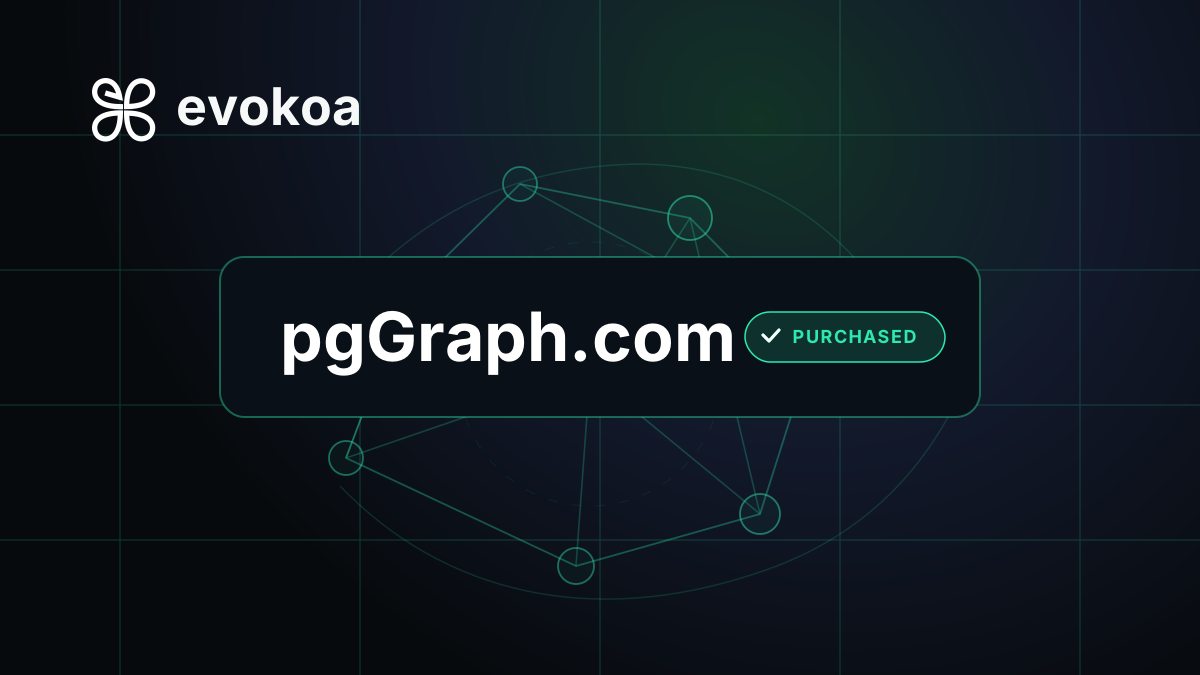
If you build infrastructure in 2026, you expect the definitive .com to be held hostage by a squatter for fifty grand. We just bought pggraph.com for ten bucks. A glitch in the matrix.
To build a graph engine capable of serving AI agents in real-time, we had to stop looking at traditional database architecture and start looking at DOOM. Here is what John Carmack taught us about memory layout, the hot loop, and stripping away abstractions.
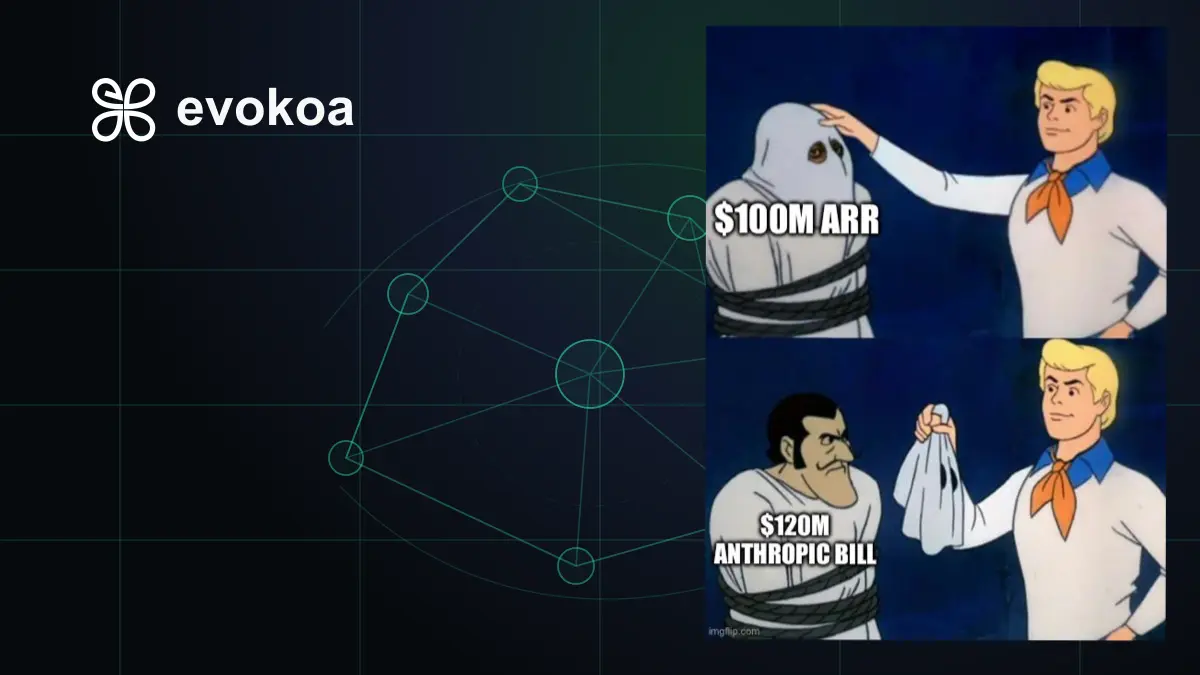
Traditional graph databases are bankrupting AI agents at scale. Here is why the unit economics must fundamentally change, and why we built Evokoa.
Why we chose to build pgGraph from scratch instead of using Apache AGE, and how our CSR-based memory model changes the performance ceiling for deep graph traversals in Postgres.
We are open sourcing pgGraph, our high-performance graph traversal engine that gives your existing Postgres tables graph database capabilities. No ETL, no migration, just fast connected context.
Dale writes about why graph infrastructure is being pulled into the agent era, and why founders and developers keep asking for a lighter way to query relationships.
Dalton walks through the Evokoa architecture, why we built the core in Rust, and what we learned designing a fast relationship cache over existing data.
We built an all-in-one AI workspace for enterprise operators. Then we noticed something: every serious customer and every developer we talked to kept asking for the same thing. Access to the layer underneath.
We benchmarked every major graph database against our workload. None of them could do what we needed at the latency AI agents require. So we wrote our own engine.
Most startups hide their thinking until they have something polished to show. We're doing the opposite. Here's why we think that's the right call for where we are.
A look at why AI agents need connected operational context, and how fast relationship search makes company data easier to reason over.
LET’S BUILD
Start with your Postgres. Explore what Polygres can do.